


MANILA, PHILIPPINES – On a humid August afternoon inside The Astbury Club in Makati, a quiet revolution began. The walls of the venue were alive with hope and urgency as Intersex Philippines — the country’s only intersex-led organization — launched a historic national advocacy movement under the banner I.N.T.E.R.S.E.X.: Informing the Nation, Transforming Engagement, and Raising Support for Equality and eXistence. An initiative supported by the Embassy of Canada through the Canada Fund for Local Initiatives (CFLI).
This was not just another advocacy launch. It was a declaration: that intersex Filipinos, long rendered invisible by culture, law, and policy, are demanding to be seen — not as anomalies or medical puzzles, but as human beings entitled to dignity, health, and protection.
At the heart of this effort is the refiling of the Cagandahan Bill, a piece of legislation named after intersex pioneer and Intersex Philippines’ Co-founder, Jeff Cagandahan, whose journey from stigma to leadership has inspired a generation of human rights defenders. The bill seeks to protect the bodily autonomy of intersex children and adults, while strengthening provisions in existing laws such as the Rare Diseases Act and the Universal Health Care Law.
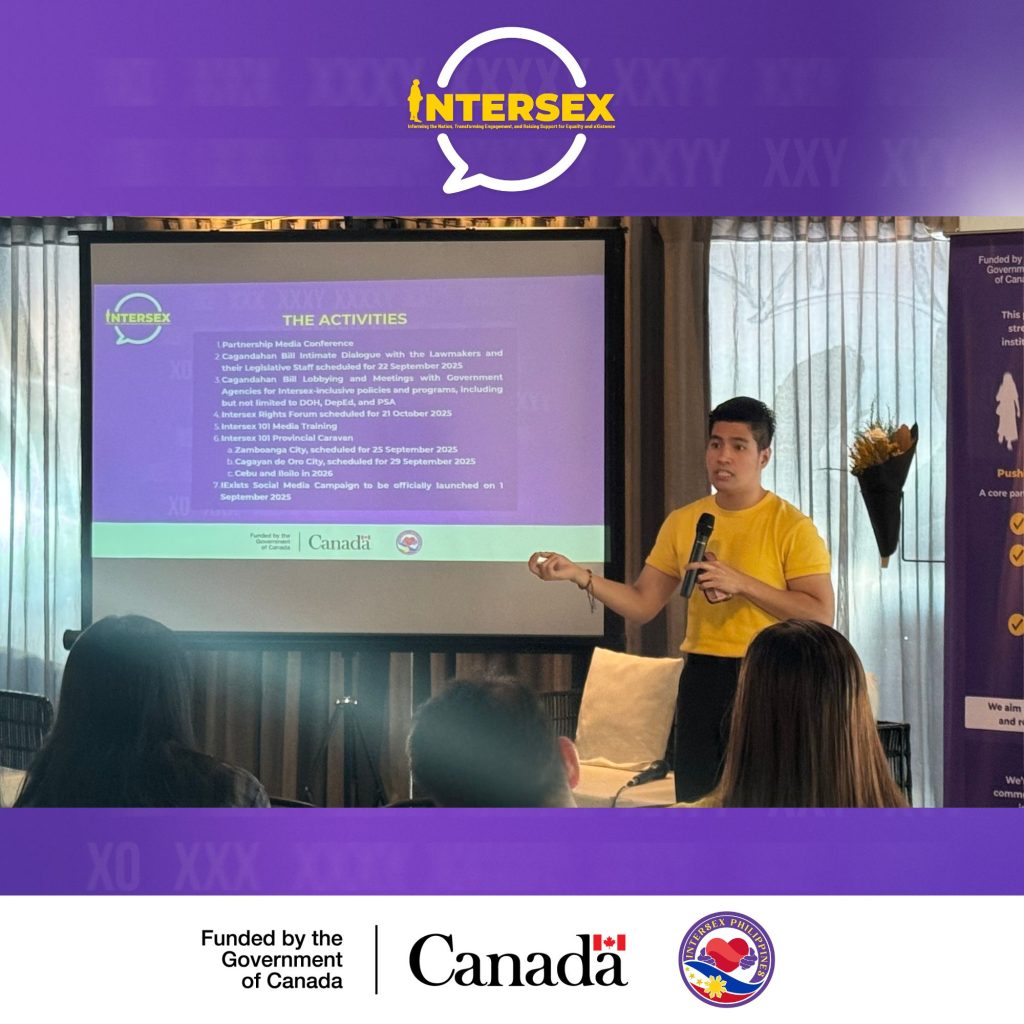
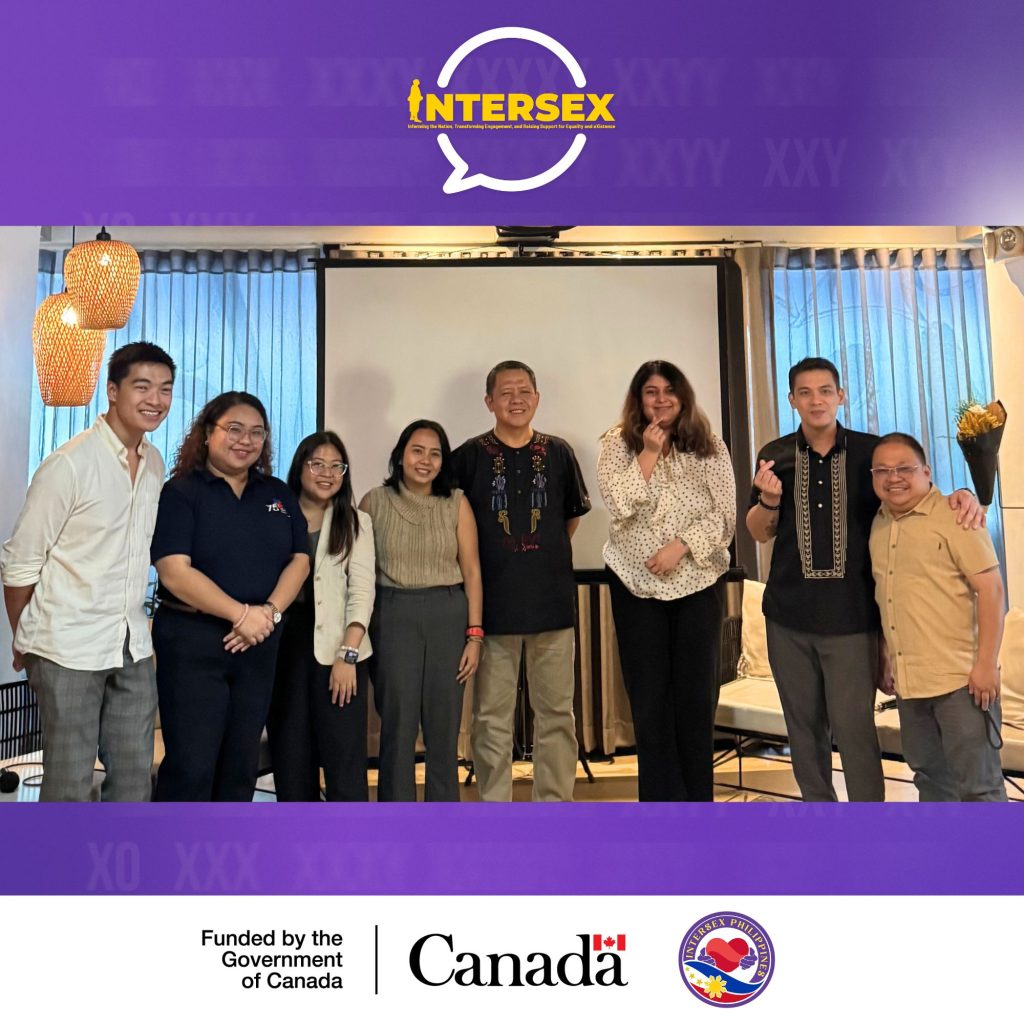
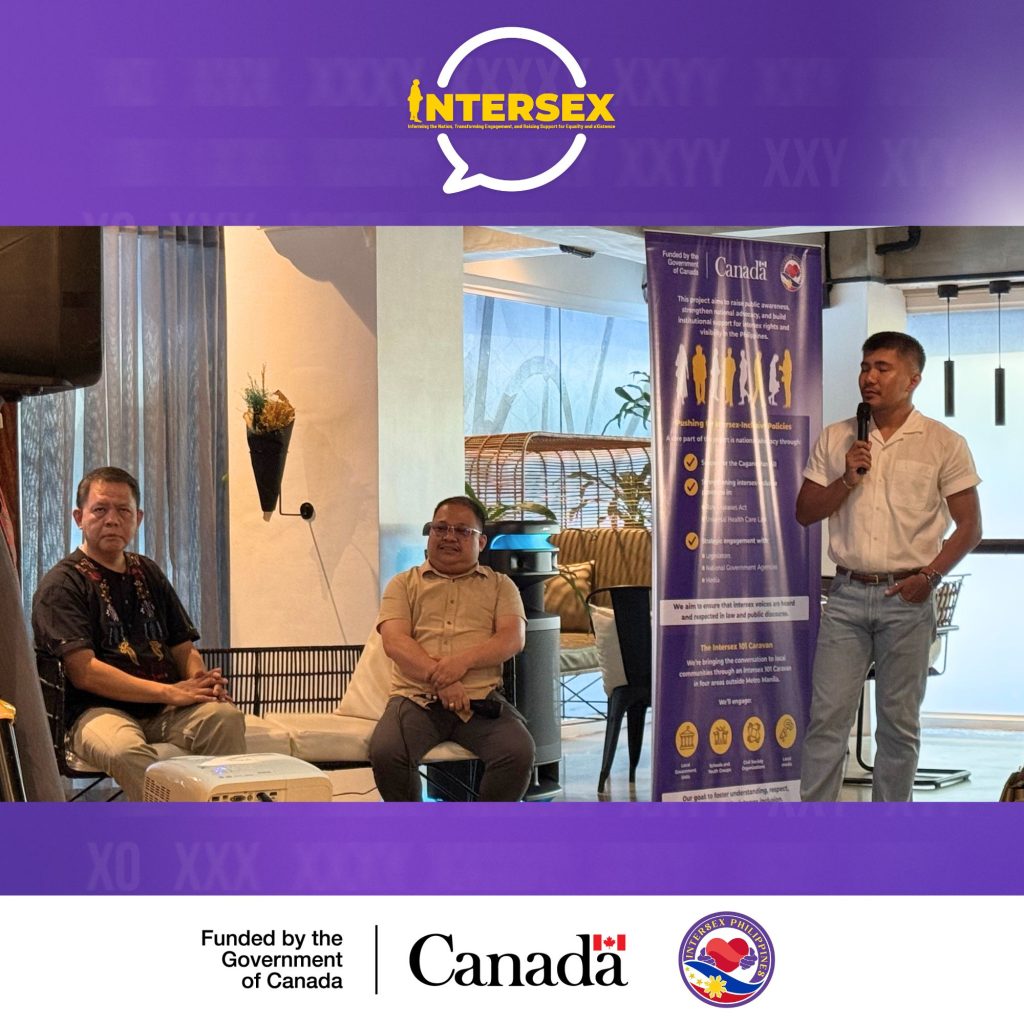
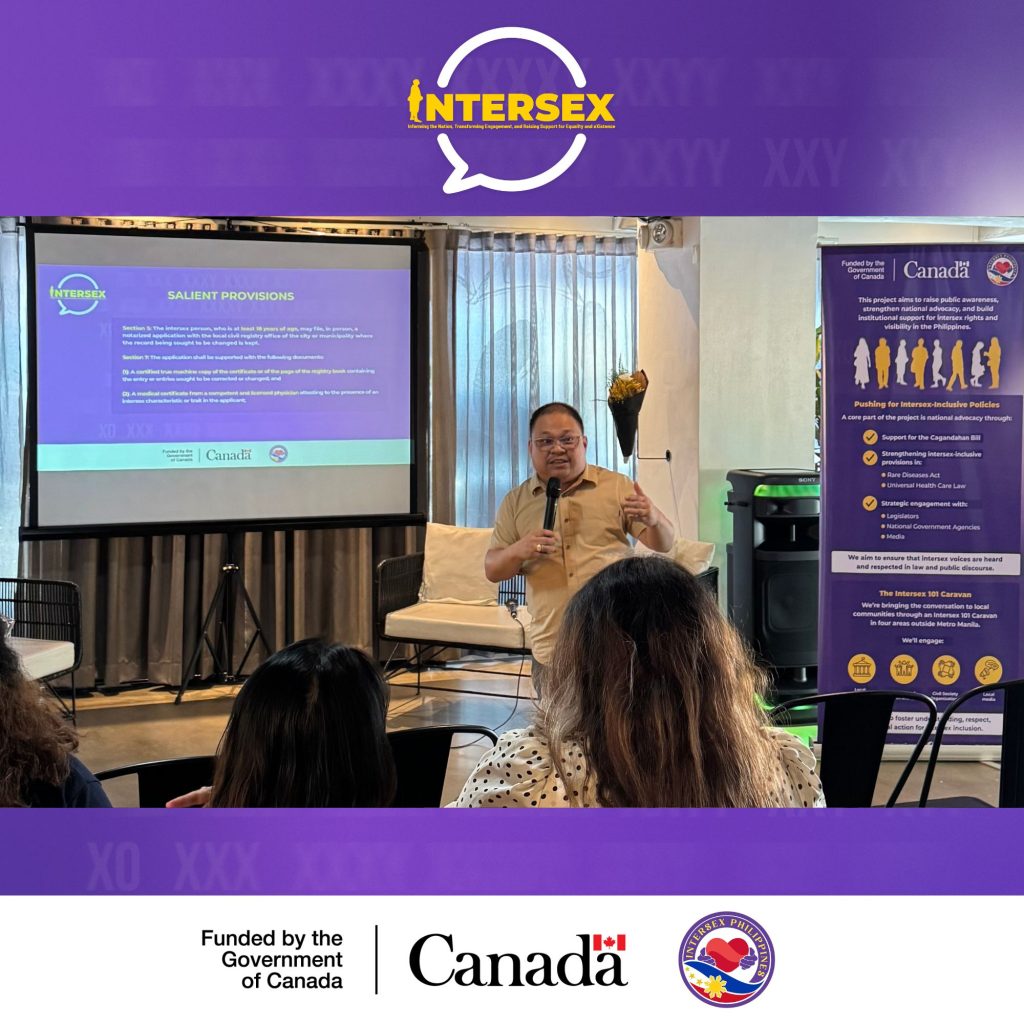
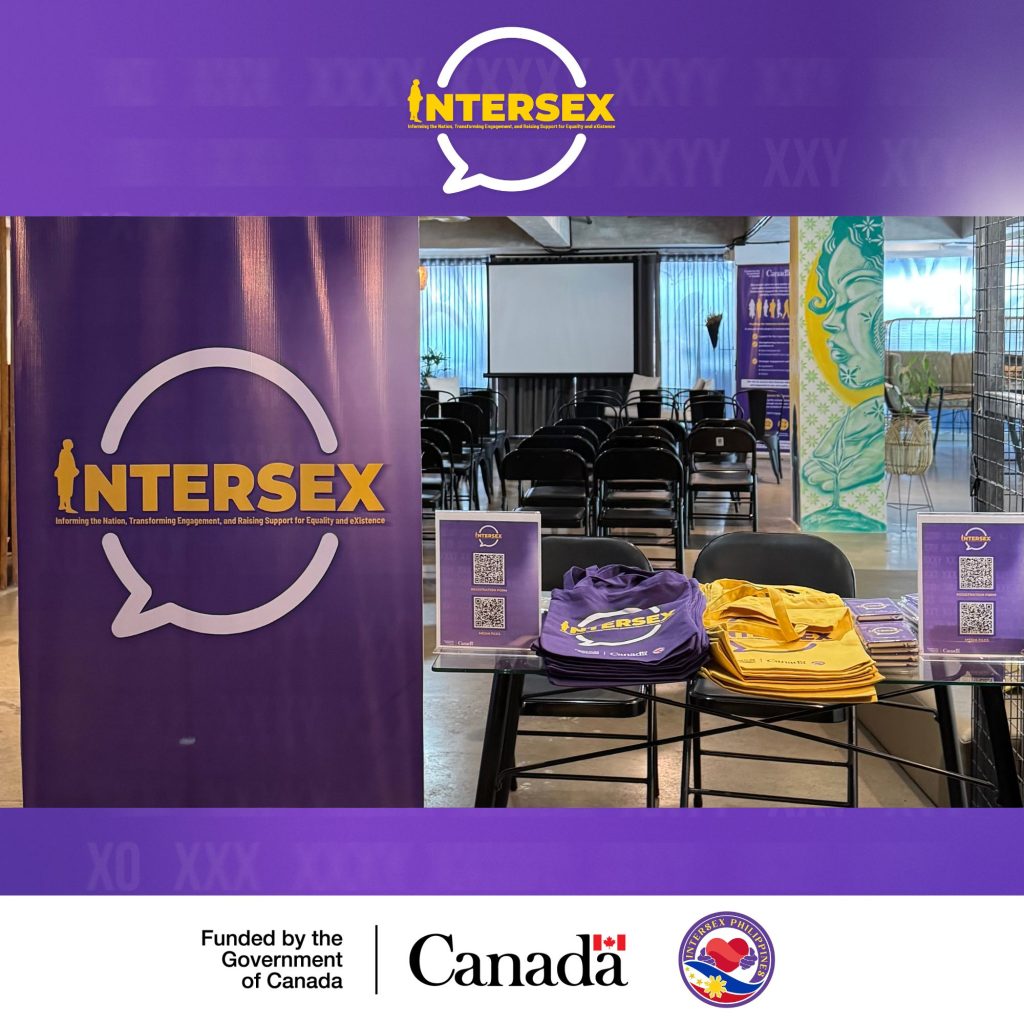
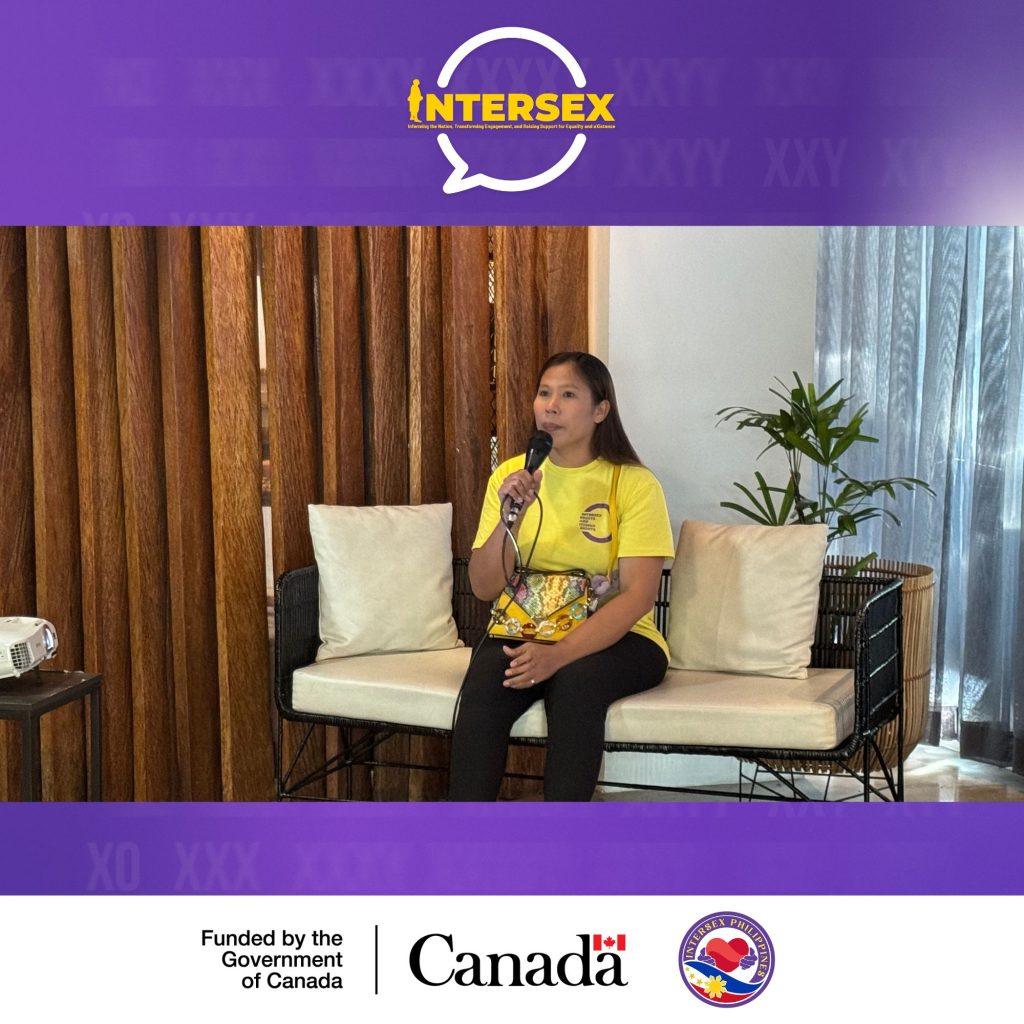

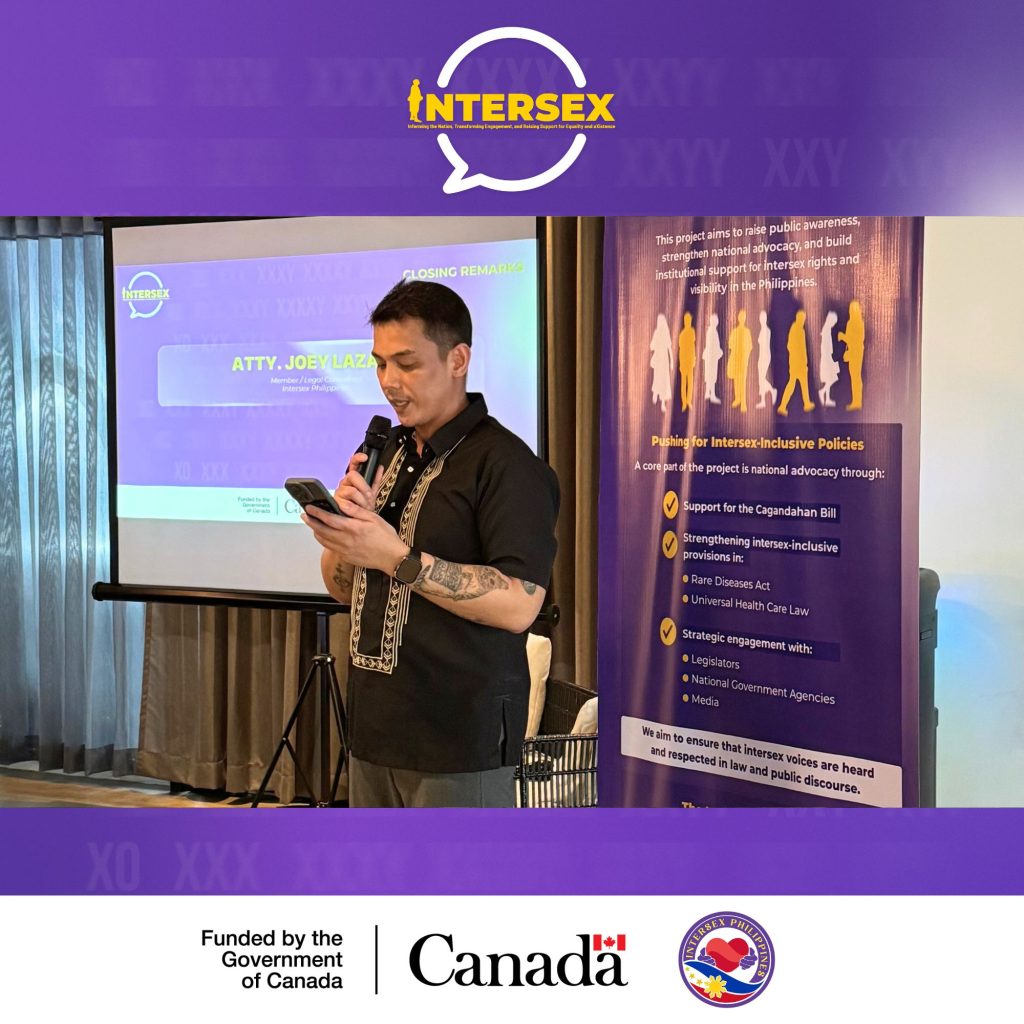
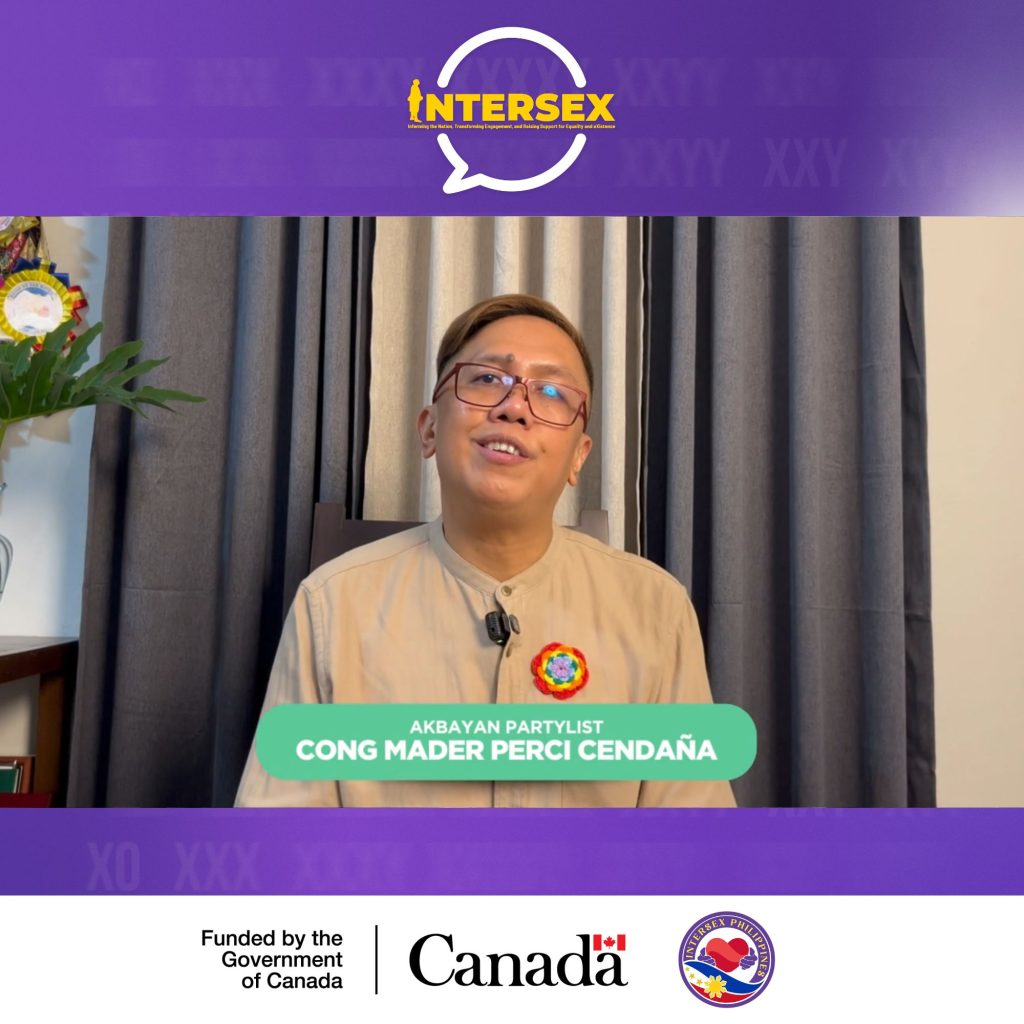
The event was more than policy talk. It was a gathering of lives and testimonies, each a reminder of the urgency of this work. A mother stood before the audience, her voice trembling as she recounted the ordeal of raising an intersex child without affordable, accessible healthcare. Behind her pain was a message that cut deep: no parent should have to navigate this journey alone, and no child should be forced to grow up unseen.
Representatives from the Embassy of Canada, the Philippine Commission on Women, and the Commission on Human Rights affirmed their solidarity, while Akbayan Representative Perci Cendaña lent his voice in a recorded message of support. Their presence made it clear: the struggle for intersex rights is not only an intersex issue — it is a human rights issue.
Yet, the stark realities remain. In the Philippines, only two hospitals can provide specialized intersex diagnosis, both requiring costs far beyond the reach of ordinary families. Many intersex Filipinos live their entire lives without knowing their status — blocked not just by poverty, but by a healthcare system that does not yet recognize them.
According to the United Nations, intersex people worldwide continue to face stigma, discrimination, and harmful medical practices, often carried out in the shadows of silence. In our country, that silence is compounded by the lack of national data, making intersex lives invisible in statistics, in policy, and too often, in compassion.
Jeff Cagandahan captured this truth powerfully in his address: “We are at a critical moment where visibility must translate into protection and policy change. Our fight is not only for recognition but for survival. Intersex people deserve the same dignity, protection, and opportunities as every Filipino.”
The newly launched I.N.T.E.R.S.E.X. Project is designed to transform this fight into action over the next two years. Its pillars include:
- A digital storytelling campaign to share intersex lives and dreams
- Legislative lobbying for the Cagandahan Bill
- Media training to combat sensationalism and ensure respectful reporting
- National forums and awareness caravan to build solidarity and shift institutions
Currently, Atty: Antonio Roman III, the representative of the first district of Bataan was the first to file his version of the bill at the House of Representatives this 20th Congress.
For too long, intersex Filipinos have lived at the margins — hidden by fear, erased by systems, or forced into silence. This campaign is their collective refusal to remain invisible.
The movement is clear in its message: the future must be different. It must be a Philippines where no more unseen, unsupported, or unprotected intersex person.
And it begins with passing the Cagandahan Bill.